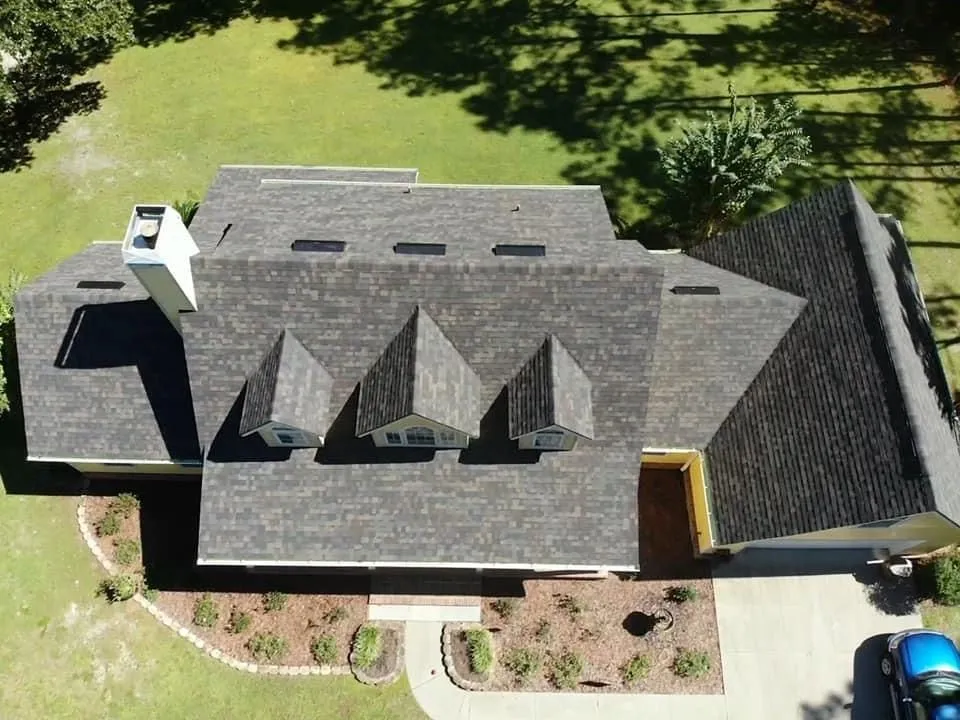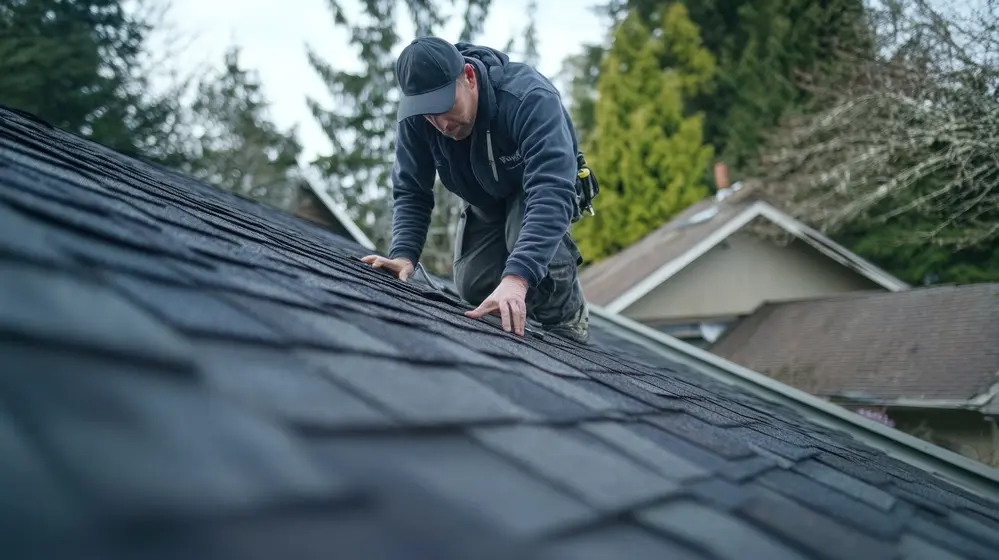


Proper skylight flashing plays a critical role in protecting Wisconsin homes from leaks, water damage, and long-term structural issues. For homeowners searching for skylight installation and leak prevention tips, understanding how flashing supports natural light while preventing leaks is essential. In Eau Claire, where heavy rain, snow loads, ice dams, and seasonal temperature swings are common, skylights can quickly become problem areas if flashing is improperly installed or worn over time.
Homeowners often focus on the glass itself, but the surrounding materials are just as important for keeping moisture out and maintaining a comfortable indoor environment. Understanding how professional flashing systems work helps homeowners make informed decisions that protect ceilings, insulation, and interior surfaces year-round, reduce energy loss, and maintain consistent indoor temperatures.
Key Takeaways
- Proper skylight flashing creates a watertight transition between the roof and skylight, preventing leaks during Eau Claire’s harsh weather conditions.
- Seasonal temperature changes in Wisconsin increase the risk of gaps, condensation, and water intrusion around poorly sealed skylights.
- Routine inspections help identify early signs of flashing wear before leaks lead to mold, insulation damage, or ceiling discoloration.
- Professional installation and maintenance provide long-term peace of mind and support a home’s energy efficiency.
How Proper Skylight Flashing Prevents Leaks In Eau Claire
Understanding why skylight flashing matters starts with knowing how water behaves on a roof during Wisconsin weather events. In Eau Claire, consistent exposure to rain, snowmelt, and freeze-thaw cycles makes proper flashing design and installation essential for keeping skylights dry and dependable.
Creating a Watertight Barrier Around the Skylight Opening
From a contractor’s perspective, effective skylight flashing is all about directing water away from vulnerable roof openings before it can reach the interior. In Eau Claire, rain and melting snow frequently test roof systems, and flashing must work seamlessly with shingles to move moisture down the roof surface.
When installed correctly, flashing channels water away from the skylight frame, reducing the risk of leaks that can damage ceilings, walls, and insulation while preventing leaks that lead to water intrusion.
Professional roofing systems rely on this integration to protect vulnerable roof penetrations.
Adapting to Wisconsin Temperature Swings and Roof Movement
Roof systems in Wisconsin homes expand and contract with changing temperatures, especially between winter cold snaps and summer heat. Proper skylight flashing allows for this natural movement without breaking seals or creating gaps.
From our experience, rigid or improperly layered flashing often fails first, leading to drafts, condensation, energy loss, and eventual water intrusion around skylights in Eau Claire homes, especially during winter and summer temperature extremes.
Protecting Interior Spaces From Moisture and Mold Growth
When skylight flashing fails, moisture can travel beyond the roof and into interior spaces, creating damp conditions that encourage mold growth. As service providers, we often see leaks go unnoticed until ceilings stain or insulation becomes saturated.
Well-designed flashing systems prevent this hidden damage, helping homeowners preserve indoor air quality, improve ventilation, and avoid costly repairs tied to moisture and mold.
When To Inspect And Maintain Skylight Flashing For Reliability
Even well-installed skylight flashing is not a simple component. Regular inspections and timely maintenance help ensure flashing continues to perform as designed, especially in Eau Claire, where seasonal weather extremes accelerate wear over time.
After Severe Storms or Prolonged Rainfall
Eau Claire weather includes heavy rainstorms and snowmelt periods that can stress skylight flashing. After these events, professional inspections, such as a scheduled roof inspection, help ensure flashing remains secure and properly sealed.
Addressing minor issues early reduces the likelihood of larger leaks that compromise roof functionality and interior comfort.
During Routine Roof Maintenance or Repairs
Skylight flashing should always be evaluated when roof repairs or shingle replacements are performed. From a contractor’s standpoint, this is the ideal time to assess seals, fasteners, and surrounding materials.
Coordinating flashing maintenance with roof work helps maintain a leak-free system and extends the life of both the skylight and the roof, supporting proper sealing and long-term reliability through timely roof repair.
When Signs of Wear Appear Inside the Home
Discoloration on ceilings, condensation near skylights, or unexplained drafts often signal flashing problems.
Homeowners in Eau Claire should not ignore these early warning signs. Prompt professional evaluation can determine whether skylight repair, skylight replacement, or a full replacement is the best path to restore comfort, address cracked glass, and prevent further water damage for homeowners in Eau Claire.
Ready To Protect Your Skylight And Roof From Eau Claire Weather Damage?
If you are experiencing skylight leaks or want to ensure your roof is ready for Wisconsin weather, working with experienced local professionals makes a difference.
At Krech Exteriors, homeowners benefit from local expertise in roofing, skylight repair, skylight options, and leak prevention solutions designed for Midwest conditions, including Wisconsin ensures demanding seasonal performance.
Contact us today at 651-349-6815 to restore peace of mind and keep your home comfortable.
Frequently Asked Questions
Why do skylight leaks often start around the flashing instead of the glass?
Most skylight leaks originate where the skylight meets the roof, not from cracked glass. Flashing failures allow water to bypass shingles and enter the roof system. Proper sealing and professional installation are critical to preventing leaks, protecting skylights, and maintaining a home’s energy efficiency in Eau Claire homes.
How often should skylight flashing be inspected in Wisconsin?
We recommend having skylight flashing inspected at least once a year, ideally during routine roof maintenance. Additional inspections after severe storms or heavy snow seasons help catch early signs of wear before leaks develop.
Can damaged flashing affect a home’s energy efficiency?
Yes, compromised flashing can lead to heat loss in winter and warm air infiltration in summer. These gaps impact indoor temperatures and increase energy use. Maintaining proper flashing supports energy-efficient performance, protects indoor temperatures, and helps keep living spaces bright, comfortable, and reliable.
When is a full skylight replacement necessary instead of repairs?
If flashing damage is extensive or the skylight is nearing the end of its lifespan, full replacement may be the most reliable solution. A professional evaluation helps determine whether targeted repairs or a complete upgrade will provide better long-term performance and leak prevention.