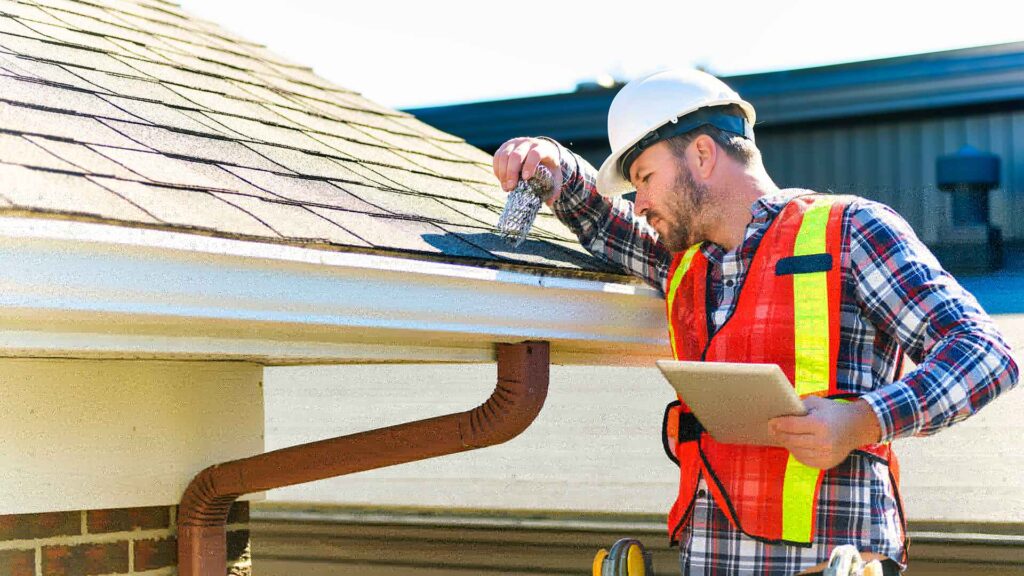


Strong winds are a regular part of Minnesota weather, and when a storm hits Blaine, wind uplift can quietly compromise your roof before heavy rain or snow ever arrives. Lifted shingles, loosened flashing, and stressed roof edges create openings where water intrusion begins, often out of sight. Preventing water damage after wind uplift in the Twin Cities starts with understanding how your roof responds to severe weather and acting quickly once strong winds pass.
For Minnesota homeowners, early action can make all the difference between minor repairs and widespread water damage that impacts insulation, ceilings, and structural components.
Key Takeaways
- Wind uplift can expose roofing materials and create hidden paths for water intrusion after a single storm.
- Early roof repair and minor repairs help prevent mold growth, water stains, and long-term structural damage.
- Gutters and downspouts play a critical role in managing heavy rain after high winds.
- Professional roof inspections provide peace of mind and support insurance documentation.
Practical Steps to Prevent Water Damage After Wind Uplift
Taking the right steps immediately after strong winds protects your roof and limits future storm damage.
Secure Lifted Shingles Before Heavy Rain
When we inspect homes in Blaine after high winds, lifted shingles are one of the most common warning signs we see for homeowners in Blaine. Even if shingles are not fully torn away, wind damage can break the seal that keeps asphalt shingles watertight.
Resealing or replacing damaged shingles through timely shingle replacement helps prevent roof leaks once heavy rain or melting snow follows a storm.
Reinforce Vulnerable Roof Edges
Roof edges take the brunt of wind uplift during Twin Cities storms, especially on homes with aging roofing materials. From a service provider’s perspective, reinforcing roof edges with quality materials and proper fastening reduces the risk of water intrusion. It prevents damage during the next storm and often avoids the need for larger roof repair projects.
Addressing these areas early helps keep the roof from becoming more vulnerable over time.
Address Loose Flashing and Roof Penetrations
Loose flashing around chimneys, vents, and other roof penetrations is a frequent source of hidden damage after strong winds. We often find that wind has shifted metal flashing just enough to allow water inside during heavy rain.
Securing or resetting flashing with roofing cement helps block water before it reaches the attic or living space and is a common part of professional roof repair services.
Clear Gutters to Control Water Flow
Clogged gutters and downspouts make water damage worse after wind uplift by forcing water back under shingles and along roof faces.
From our experience working with Minnesota homeowners, gutter cleaning immediately after storm season prevents overflow that can lead to water stains, ice dams, and foundation concerns.
What Twin Cities Homeowners Should Check After Storm Winds
Once the winds die down, a careful evaluation helps identify roof damage before water problems begin.
Look for Missing or Torn Shingles
Missing shingles and torn shingles are visible signs of wind damage that should never be ignored.
We advise homeowners in Blaine to check the ground around their home for shingles granules or full shingle pieces. These often indicate roof damage higher up that can allow water intrusion and signal the need for a roof inspection.
Inspect the Attic for Early Water Signs
Water stains, damp insulation, or a musty smell in the attic often appear before ceiling damage becomes visible. From a professional inspection standpoint, attic checks help catch roof leaks early, reducing the risk of mold growth and more extensive repairs through a professional roof inspection.
Check Gutters and Downspouts for Damage
Strong winds frequently loosen gutter systems or pull sections away from the fascia.
When gutters and downspouts are damaged, they cannot move heavy rain away from the roof properly. We often recommend minor repairs or gutter guards to maintain proper drainage after severe weather.
Watch for Changes in Ventilation
Proper ventilation through ridge and soffit vents helps control moisture after storms.
Wind events can block or damage vents, making the roof vulnerable to trapped moisture. Ensuring attic ventilation remains clear supports long-term roof performance through heavy snowfall and summer storms.
Get Professional Help After Wind Damage
Protecting your roof after wind uplift requires local expertise and fast action. Krech Exteriors has helped Twin Cities homeowners protect their homes since 1988 with professional roof inspections, storm damage roof repair, and insurance claim support.
If your roof has visible damage or you suspect hidden issues, contact us today for peace of mind before the next storm arrives.
Frequently Asked Questions
How does wind uplift cause water damage to a roof?
Wind uplift breaks the seal on asphalt shingles and stresses roof edges, allowing water to slip underneath during heavy rain or snowmelt. Even minor lifting can create paths for water intrusion that lead to roof leaks and interior damage if not addressed promptly.
Should I file an insurance claim for wind damage?
If your roof shows missing shingles, visible damage, or interior water stains after a storm, filing insurance claims may be appropriate. A professional roof inspection helps document damage accurately and provides the insurance company with clear information.
Can minor repairs really prevent future storm damage?
Yes, timely minor repairs such as replacing damaged shingles or securing loose flashing can prevent small issues from escalating. Addressing problems early helps protect the roof from future storm damage and extends its service life.
When should I schedule a professional roof inspection?
Minnesota homeowners should schedule a professional inspection after strong winds, hail damage, or any severe weather event. Inspections are especially important before winter, when heavy snow and ice dams can worsen existing roof vulnerabilities.