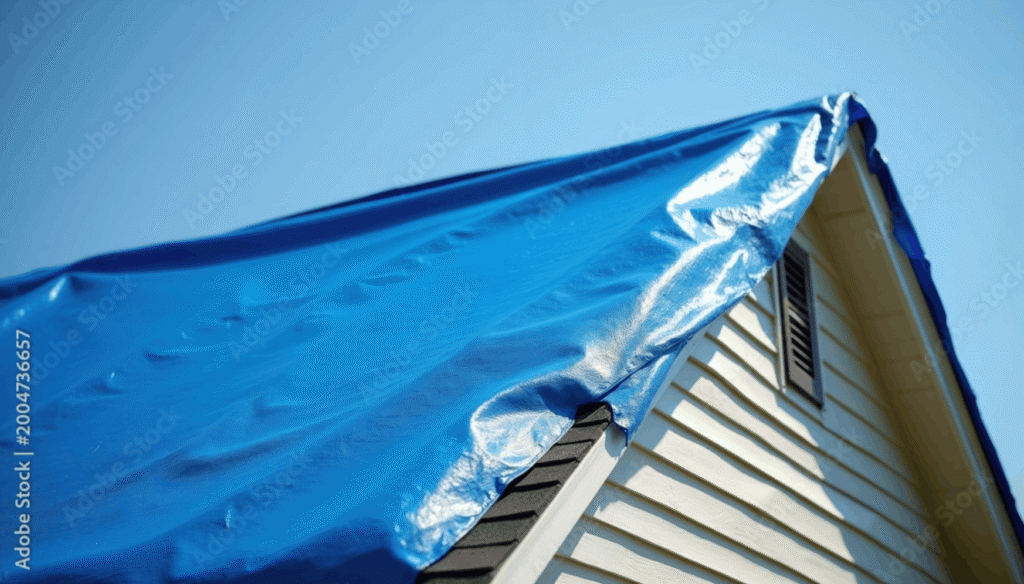
Roof tarping in winter can help protect a damaged home, but sub-zero temperatures create challenges that homeowners should understand. In Minneapolis, St. Paul, and surrounding communities, snow, ice, and freezing winds can make temporary roof protection more difficult.
Knowing how to tarp a roof in freezing weather starts with understanding the risks and recognizing when professional assistance is necessary.
A damaged roof can allow snow and moisture to reach insulation, ceilings, and other interior materials. Temporary coverings may limit further exposure until permanent repairs are possible, but they must be installed without creating additional damage. Understanding the right precautions can help Twin Cities homeowners make safer decisions during winter roofing emergencies.
Key Takeaways
- Temporary roof coverings can reduce moisture exposure after winter storms damage roofing materials.
- Frozen shingles and icy surfaces make emergency roof tarping more difficult and dangerous.
- Proper tarp placement and secure attachment help prevent additional damage from snow and wind.
- Professional assistance is important when roof conditions make temporary protection unsafe to install.
How to Prevent Further Roof Damage During Sub-Zero Twin Cities Weather
Preventing further roof damage in winter requires protecting exposed areas while avoiding additional stress on frozen roofing materials. Sub-zero temperatures, accumulated snow, and strong winds can complicate temporary repairs across the Twin Cities.
Understanding these conditions helps homeowners recognize which protective measures are appropriate and which situations require professional attention.
Cover Exposed Roof Areas Before Snow and Meltwater Enter
Missing shingles or damaged roofing components can expose underlying materials to snow, freezing rain, and moisture. Temporary roof protection in extreme cold can help limit water intrusion until damaged areas receive appropriate repairs.
This protection matters because moisture entering beneath the roofing system can affect insulation, roof decking, and interior ceilings.
Homeowners should document visible damage from a safe location and consider emergency roof protection after winter storm damage when exposed roofing materials require attention.
Protect Brittle Shingles From Additional Damage
Brittle roof shingles in freezing temperatures can crack when bent, lifted, or subjected to unnecessary pressure. Avoiding excessive handling and using installation methods appropriate for cold conditions can help reduce additional material damage.
This precaution matters because damaged shingles may create new openings for moisture even after the original exposed area is covered.
Avoid lifting or repositioning frozen shingles, and have a roofing professional assess whether temporary protection can be installed safely.
Address Ice Buildup Before Installing Temporary Protection
Ice accumulation can prevent temporary coverings from resting securely against damaged roofing surfaces. Evaluating ice conditions before installation helps determine whether a tarp can provide meaningful protection without creating additional hazards.
This matters because uneven ice buildup can interfere with coverage, attachment, and the movement of melting snow.
Avoid chipping ice from roofing materials, and review the U.S. Department of Energy’s guidance on preventing ice dams to understand winter roof conditions.
Secure Roof Tarps Against Strong Winter Winds
Strong winter winds can loosen poorly attached tarps and expose damaged roofing materials to additional moisture. Appropriate tarp placement and secure attachment help reduce movement while maintaining coverage over vulnerable areas.
This matters because repeated lifting and flapping can damage the temporary covering or surrounding roofing components.
Homeowners should leave tarp adjustments to qualified professionals when icy surfaces or strong winds make roof access unsafe.
Maintain Roof Drainage to Prevent Additional Water Damage
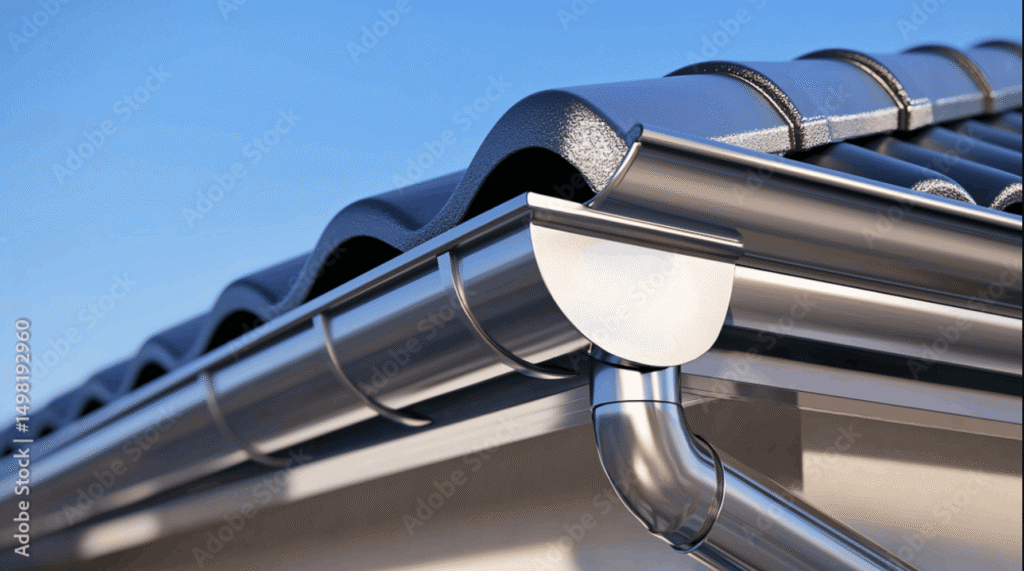
Blocked drainage pathways can allow melting snow to accumulate near roof edges and vulnerable roofing connections. Keeping gutters and roof drainage systems functioning helps prevent further damage through roof maintenance during changing winter conditions. Proper drainage matters because trapped water may move beneath roofing materials when temperatures rise and fall.
Homeowners in Eagan, Woodbury, and Bloomington should watch for overflowing gutters and recurring ice buildup that may indicate drainage problems.
Safe Emergency Tarping Priorities and When Professional Help Is Necessary
Emergency roof tarping requires more than placing a waterproof covering over visible damage. The risks of tarping a frozen roof include falls, damaged shingles, unreliable attachment, and exposure to severe weather. Understanding safe priorities helps homeowners recognize when temporary protection is practical and when professional assistance is necessary.
Assess Roof Conditions Before Attempting Emergency Tarping
Snow-covered roofing can conceal slippery surfaces, damaged decking, and unstable areas that are difficult to identify from the ground. Assessing visible damage and weather conditions helps determine whether temporary roof protection can be installed safely.
This matters because an emergency covering should not expose anyone to greater danger than the original roofing problem.
Homeowners should document damage from ground level and review guidance on how to safely manage a roofing emergency before taking further action.
Choose Tarping Materials Suitable for Extreme Cold
Some temporary coverings can become difficult to handle or secure when exposed to extremely low temperatures. Roof tarp installation in sub-zero temperatures requires materials and attachment methods appropriate for the conditions and damaged roofing surface.
This matters because an unsuitable covering may tear, shift, or fail to maintain protection during winter weather.
A roofing professional can evaluate whether the covering material and attachment method are suitable for the damaged roof and current temperatures.
Avoid Damaging Frozen Shingles During Tarp Installation
Installing a tarp over frozen shingles can create additional problems when surrounding roofing materials are lifted or disturbed. Understanding how to tarp a damaged roof helps explain why careful placement and appropriate attachment methods are important.
These precautions matter because cracked shingles or damaged flashing can create additional water entry points.
Homeowners can review the tarping guidance while leaving installation involving frozen roofing materials to qualified professionals.
Ensure Temporary Tarps Cover and Protect Damaged Areas
A tarp that covers only the visible opening may leave nearby vulnerable areas exposed to wind-driven snow and moisture. Effective temporary protection requires evaluating the damaged area, surrounding roof features, and the direction water normally travels.
This matters because moisture can enter beneath an improperly positioned covering even when the original opening appears concealed.
Homeowners should monitor interior ceilings for new moisture after installation and report any signs that the temporary covering is ineffective.
Seek Professional Help When Roof Conditions Make Tarping Unsafe
Steep slopes, accumulated ice, high winds, and structural damage can make emergency tarping unsafe for homeowners. Professional evaluation helps determine whether temporary protection is feasible and what repairs are needed to restore the roofing system.
This matters because a temporary covering cannot correct underlying damage or replace necessary roofing repairs.
Reviewing OSHA’s roofing safety guidance can help explain why hazardous conditions require professional assessment before winter roof repairs begin.
Get Help Protecting Your Roof After Winter Storm Damage
Winter roof damage can become more serious when exposed materials remain vulnerable to snow, ice, and changing temperatures. Krech Exteriors has served Twin Cities homeowners since 1988, providing roofing repairs and storm damage restoration with a focus on dependable craftsmanship.
Understanding the extent of the damage is an important step toward choosing appropriate temporary protection and lasting repairs.
If your roof has sustained winter storm damage, contact Krech Exteriors for a free estimate. The team can help evaluate your roofing concerns and discuss suitable repair options based on your home’s condition.
Addressing damage promptly can help reduce additional moisture exposure and protect your home through Minnesota’s winter weather.
Frequently Asked Questions
Can a roof be tarped during sub-zero temperatures?
A roof may be tarped during sub-zero weather when conditions and materials allow safe installation. However, frozen shingles, accumulated ice, and strong winds can complicate the process. Professional assessment is important before attempting temporary protection.
How long can a roof tarp remain in place during winter?
A roof tarp is intended as temporary protection rather than a permanent repair. Its effectiveness depends on weather exposure, material condition, attachment, and roof damage. Regular monitoring and timely permanent repairs remain important.
Is it safe for homeowners to install roof tarps during winter?
Climbing onto a snow-covered or icy roof presents serious fall hazards. Frozen roofing materials can also be damaged during installation. Homeowners should avoid unsafe roof access and seek professional assistance when temporary protection is needed.
What should homeowners do if a damaged roof cannot be tarped immediately?
Homeowners should stay off unsafe roofing surfaces, document visible damage, and monitor interior moisture. Move belongings away from active leaks when safe. Arrange professional assessment and avoid entering areas with suspected structural or electrical hazards.