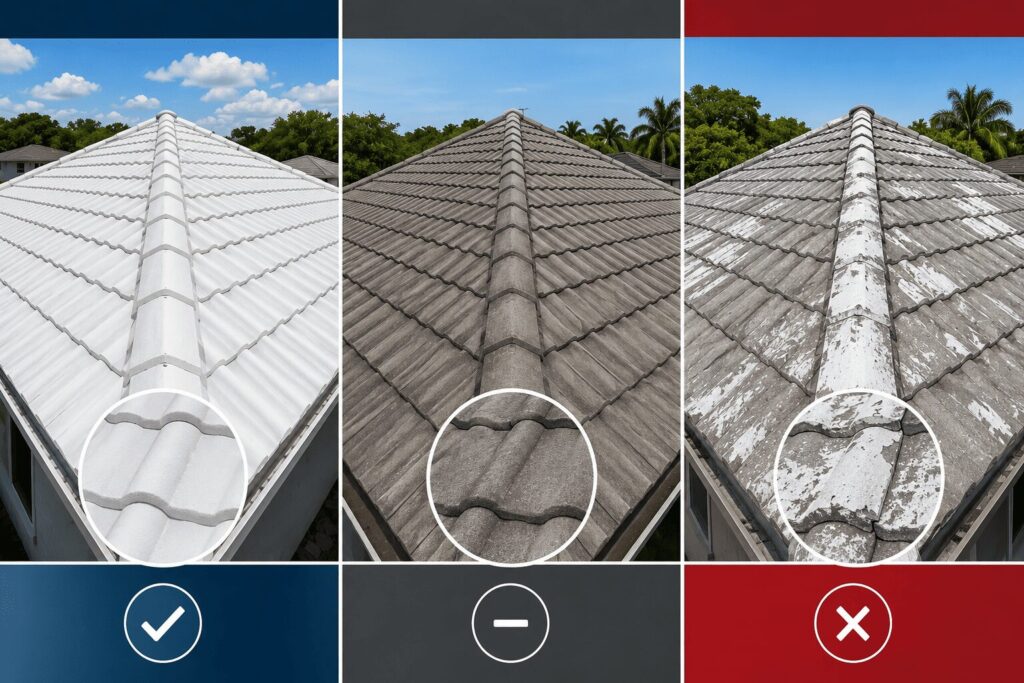

Hailstorms can leave behind damage that is not always obvious from the ground. In Eagan and throughout the Twin Cities, delayed discovery often creates challenges when homeowners begin gathering information for insurance purposes. Understanding the most common warning signs and documenting them promptly can help support a smoother claims process before policy deadlines become a concern.
Key Takeaways
- Hail damage can appear subtle but may worsen over time if left undocumented.
- Photos and inspection records create valuable evidence before claim deadlines approach.
- Exterior components beyond roofing often show storm-related impacts after hail events.
- Early documentation helps establish a clear timeline for insurance review.
Key Hail Damage Signs Twin Cities Homeowners Should Record
Hail damage often affects multiple areas of a home’s exterior after severe weather moves through the Twin Cities region. Some signs remain visible immediately, while others become more noticeable weeks later. Recording evidence early helps establish a clear condition record following a storm.
A quick review of the most common impact areas can help homeowners prioritize documentation efforts.
Shingle Impact Marks During Roof Inspection
Granule loss from hail strikes can expose asphalt surfaces and reduce long-term weather protection. A professional roof inspection often identifies impact marks that are difficult to distinguish from normal aging. This documentation matters because insurers frequently evaluate the extent and location of hail-related deterioration.
Homeowners in Eagan should photograph visible impact areas from safe vantage points and preserve image timestamps whenever possible. Consistent photo records can help establish when damage was first observed.
Dents on Metal Surfaces After Hailstorms
Metal flashing, vents, gutters, and roof accessories frequently show hail impacts before shingles display obvious damage. Visible dents often provide supporting evidence of recent storm and weather damage when reviewed alongside other exterior findings. These marks can help establish storm intensity and the likelihood of broader roof impacts.
Take clear photographs from multiple angles while preserving context around each affected component. Wider images can help demonstrate how damage is distributed across the property.
Cracked or Bruised Siding After Hail Impact
Vinyl and composite siding may develop cracks, chips, or soft impact marks after larger hail events. Damage can appear on elevations facing prevailing storm directions throughout the Twin Cities area. Proper documentation supports a more complete record of exterior conditions that may otherwise be overlooked.
Capture both close-up and wider photos to show the damaged section’s location on the home. Detailed images can make it easier to compare conditions over time.
Interior Moisture Signs That May Point to Roof Damage
Water stains appearing after a hail event may indicate compromised roofing materials or flashing assemblies. These conditions sometimes create future roof repair needs even when exterior damage seems limited. Establishing a timeline between the storm and interior moisture signs can strengthen supporting records.
Photograph ceilings, walls, and attic areas promptly if discoloration or moisture becomes visible. Maintain notes that record when the staining first appeared and whether it spreads.
Documentation Priorities Before Minnesota Claim Deadlines Expire
Insurance timelines vary, making organized documentation important after severe weather events. Delays can make it harder to connect visible conditions to a specific storm occurrence. Maintaining detailed records creates a stronger foundation for future claim discussions.
The following documentation priorities can help homeowners preserve important information before deadlines approach.
Create a Storm Timeline and Event Record
Many claims benefit from a clear chronology showing when the storm occurred and when damage was discovered. Weather reports, dated photographs, and homeowner notes can help establish this sequence. A documented timeline reduces uncertainty when reviewing hail-related conditions months later.
Keep all records together in a dedicated digital folder for easier retrieval. Updating the timeline regularly can help maintain accuracy as new information becomes available.
Preserve Inspection Reports and Damage Assessments
Professional evaluations often provide detailed observations that homeowners may not recognize independently. Documentation associated with insurance claims commonly includes inspection findings, photographs, and written summaries. Retaining these records helps create a consistent evidence package.
Store both digital and printed copies whenever possible. Organized records are often easier to reference during future claim discussions.
Save Evidence of Temporary Protective Measures
Temporary actions taken to limit further damage should be documented carefully. Protective coverings, emergency sealing efforts, and mitigation work demonstrate attempts to prevent worsening conditions. These records may become relevant when reviewing the overall storm response.
Photograph conditions before and after any temporary protective work begins. Retain receipts and notes related to any emergency materials or services used.
Organize Records Supporting Roof Replacement Discussions
Extensive hail impacts sometimes lead to evaluations regarding full roof replacement rather than isolated repairs. Organized documentation helps demonstrate the cumulative effect of damage across multiple roof sections. Consistent records also make future conversations more efficient if additional deterioration becomes apparent.
Maintain copies of photographs, inspection documents, and material observations in one location. Periodic reviews can help ensure important evidence is not overlooked.
Protect Your Twin Cities Home With Experienced Exterior Guidance
Since 1988, Krech Exteriors has helped Twin Cities homeowners address storm-related exterior concerns with craftsmanship, transparency, and lasting protection. Serving Eagan, Minneapolis, St. Paul, and nearby communities, Krech Exteriors brings decades of experience to every inspection.
Homeowners can rely on expert evaluations and clear guidance when assessing possible storm damage. This support helps make the process easier to understand from the first inspection through the next steps.
Documenting hail damage early can help preserve evidence, reduce uncertainty, and support better decisions before deadlines expire. Schedule a free estimate or contact our team to arrange a professional inspection.
Frequently Asked Questions
How soon should hail damage be documented after a storm?
Documentation should begin as soon as conditions are safe. Early photographs and notes help establish a clear timeline and preserve evidence before weather exposure, repairs, or natural wear make damage harder to identify.
Can hail damage affect areas other than the roof?
Yes. Hail frequently impacts gutters, metal flashing, windows, exterior trim, and siding. These areas often provide visible evidence that helps support a complete assessment of storm-related exterior conditions.
What photographs are most useful after a hailstorm?
Wide-angle photos showing overall property conditions and close-up images of specific damage are both valuable. Including multiple perspectives helps create context and supports more accurate evaluations later.
Does visible hail damage always require an insurance claim?
Not necessarily. The severity, location, and extent of damage vary significantly. Some conditions may require monitoring, while others may warrant further evaluation depending on their impact on the home’s exterior systems.