Preparing your roof for winter is an important part of protecting your home from Minnesota and Western Wisconsin’s harsh weather conditions. This pre-winter roof inspection checklist for Twin Cities homeowners highlights common concerns, including damaged shingles, deteriorating flashing, and clogged gutters.
Identifying these issues before freezing temperatures and heavy snowfall arrive can help prevent more extensive roofing problems.
This guide covers what to inspect, how to recognize potential roof damage, and which repairs to prioritize before winter. You’ll also learn practical ways to prepare your roof for snow, ice, and freezing temperatures while reducing the risk of unexpected damage.
Key Takeaways
- Inspect shingles, flashing, gutters, and attic conditions before freezing temperatures and heavy snowfall arrive.
- Address active leaks and exposed roofing materials before winter weather makes damage more difficult to manage.
- Maintain proper drainage and attic conditions to help reduce the likelihood of winter moisture problems.
- Schedule professional inspections when visible damage, recurring leaks, or aging roofing materials raise concerns.
What to Check on Your Roof Before Winter Weather Arrives
Fall inspections help homeowners recognize signs of roof damage before winter conditions make existing problems worse. A thorough assessment considers exterior roofing materials, drainage components, and conditions inside the home. The following areas deserve particular attention before snow and freezing temperatures arrive.
Check Shingles for Cracks, Curling, and Missing Sections
Damaged shingles can leave underlying roofing materials vulnerable to moisture during winter storms. Identifying cracked, curled, loose, or missing shingles helps determine whether repairs are necessary before snowfall. This matters because exposed areas may allow water intrusion during melting and refreezing cycles.
Homeowners can look for visible damage from the ground using binoculars, particularly after strong winds or hailstorms. A professional can assess areas that cannot be examined safely from ground level.
Inspect Roof Flashing Around Chimneys and Vents
Flashing around chimneys, plumbing vents, and roof intersections can deteriorate or separate over time. A roof flashing inspection identifies gaps, corrosion, displaced metal, or deteriorated sealant around these vulnerable connections. Properly functioning flashing directs water away from openings where moisture could otherwise enter the home.
For homeowners in Eagan and Lakeville, a professional assessment can identify flashing concerns before repeated freezing and thawing complicate repairs.
Look for Interior Water Stains and Moisture
Water stains on ceilings or attic surfaces may indicate moisture entering through the roofing system. Checking for discoloration, damp insulation, or visible mold helps identify areas requiring further investigation. These warning signs matter because trapped moisture can damage insulation, wood framing, and interior finishes.
Examine accessible attic areas with adequate lighting, particularly after rainfall. Avoid disturbing mold or entering unsafe attic spaces, and arrange an assessment when moisture is present.
Examine Gutters and Downspouts for Blockages
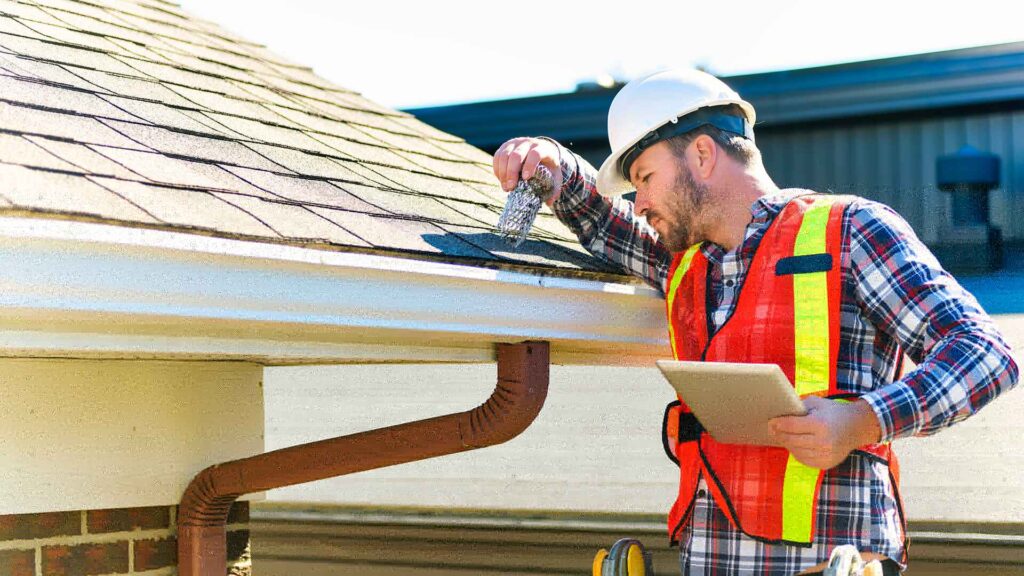
Leaves, branches, and accumulated debris can prevent gutters from draining properly during autumn rainfall and winter thaws. Clearing these obstructions allows melting snow to move away from roof edges and foundation areas. Proper drainage reduces standing water that could freeze and contribute to ice buildup.
Homeowners should check for overflowing gutters, sagging sections, and disconnected downspouts from a safe location. Professional cleaning is preferable when reaching gutters requires unsafe ladder access.
Check Attic Ventilation and Insulation Conditions
Uneven attic temperatures can contribute to snow melting on warmer roof sections and refreezing near colder edges. Reviewing insulation coverage, ventilation openings, and visible air leaks helps identify conditions associated with ice dam formation. Balanced attic conditions can reduce unwanted heat transfer and moisture accumulation during Minnesota and Wisconsin winters.
The U.S. Department of Energy provides guidance on preventing ice dams through insulation, air sealing, and ventilation. Homeowners should avoid blocking existing ventilation openings with stored materials or additional insulation.
Prioritizing Roof Repairs Before Twin Cities and Western Wisconsin Winters
Not every roofing concern requires the same level of urgency before winter arrives. Active leaks, exposed materials, and drainage problems generally deserve attention before minor cosmetic issues. Understanding these priorities helps homeowners plan repairs while reducing the likelihood of additional winter damage.
Address Active Roof Leaks Before Freezing Temperatures
Existing roof leaks can worsen when melting snow repeatedly exposes vulnerable areas to moisture. Promptly addressing damaged shingles and roof leaks helps identify the source and determine the appropriate repair. This prevents minor openings from remaining exposed throughout extended periods of winter precipitation.
Homeowners should document visible stains and note when leaks occur, especially after rainfall or melting snow. Krech Exteriors provides roof repair services for homeowners dealing with roofing damage.
Repair Damaged Shingles Before Snow Accumulates
Loose or missing shingles may allow wind-driven snow and moisture to reach underlying roofing components. Replacing damaged sections before sustained snowfall helps restore the roof’s protective covering. Timely repairs also reduce the likelihood of exposed materials experiencing additional weather-related deterioration.
Homeowners in Woodbury and Cottage Grove should pay attention to roofing damage following severe summer storms. A qualified roofing contractor can determine whether localized repairs will adequately address the affected areas.
Correct Flashing Problems Around Roof Penetrations
Separated flashing around roof penetrations can create direct pathways for water intrusion. Repairing loose metal, damaged connections, or deteriorated sealing materials helps restore protection around vulnerable openings. These repairs matter because melting snow can collect around roof transitions and expose existing weaknesses.
A professional roof inspection before winter can help distinguish isolated flashing problems from broader roofing concerns. Krech Exteriors offers roof inspection services to evaluate roofing conditions and identify potential damage.
Resolve Drainage Issues That Increase Ice Dam Risks
Poor roof drainage can contribute to water accumulation near eaves during changing winter temperatures. Clearing gutters and correcting drainage problems support ice dam prevention for homes throughout the Twin Cities and Western Wisconsin. These measures help manage runoff, although insulation and attic air sealing remain essential for controlling ice dam formation.
Homeowners researching winter roof maintenance tips should prioritize safe gutter access and proper downspout drainage. The University of Minnesota Extension’s guidance on ice dams explains how attic conditions contribute to winter roof problems.
Evaluate Aging Roofs for Repair or Replacement
Older roofing systems may develop widespread wear that makes isolated repairs less effective. Evaluating shingle condition, recurring leaks, and previous repairs helps determine whether continued maintenance or replacement is appropriate. This distinction matters because deteriorating roofing materials may struggle to withstand repeated winter weather exposure.
For homeowners considering how to prepare your roof for snow, a professional evaluation can clarify the roof’s remaining serviceability. Roof replacement in the Twin Cities may be appropriate when damage is extensive, or roofing materials have reached the end of their useful life.
Prepare Your Roof for Winter With Krech Exteriors
Preparing your roof before winter helps protect your home against snow, ice, and seasonal moisture. Krech Exteriors has served Twin Cities homeowners since 1988, offering roofing inspections, repairs, replacements, and storm damage restoration. Its approach emphasizes quality craftsmanship, clear communication, and roofing solutions suited to local weather conditions.
Whether you have noticed missing shingles, interior water stains, or concerns about an aging roof, Krech Exteriors can help evaluate your next steps. Request a free estimate to discuss your roofing concerns and determine which services may be appropriate before winter arrives.
Frequently Asked Questions
When should homeowners schedule a roof inspection before winter?
Early fall is generally a practical time to schedule an inspection before freezing temperatures become consistent. This allows time to identify roofing concerns, evaluate repair options, and complete necessary work before prolonged winter conditions.
What are the most common signs of roof damage before winter?
Common warning signs include missing or curled shingles, damaged flashing, interior water stains, and visible roof deterioration. Homeowners should also watch for recurring leaks or shingle debris following strong winds and hailstorms.
Can cleaning gutters help prevent ice dams during winter?
Clean gutters help melting snow drain properly, but gutter cleaning alone cannot prevent ice dams. Proper attic insulation, air sealing, and ventilation are important because they help limit uneven roof temperatures that contribute to ice formation.
Should homeowners inspect their roofs themselves before winter?
Homeowners can safely examine visible roofing conditions from the ground and check accessible attic spaces for moisture. Professional inspections are appropriate when damage is suspected, since walking on roofs creates significant fall risks.