Skillion roofs for Twin Cities homes are gaining attention for their clean appearance and straightforward single-slope structure. The design can complement contemporary architecture while creating a defined path for rainwater and melting snow. For homeowners across the Twin Cities and Hudson, successful performance still depends on careful planning for Upper Midwest weather.
A skillion roof differs from traditional gable and hip roofs because its main surface slopes in one direction. That simplicity can offer practical advantages, but local snow, freeze-thaw cycles, drainage, and existing structural conditions must guide design decisions.
Key Takeaways
- Skillion roofs combine a modern appearance with a relatively simple single-slope roof structure.
- Proper slope planning helps manage snow, rain, drainage, and seasonal moisture effectively.
- Upper Midwest winter conditions make structural and water management details especially important.
- Professional evaluation helps determine whether this roof style suits an existing home.
Why Skillion Roofs Suit Modern Homes and Harsh Winters
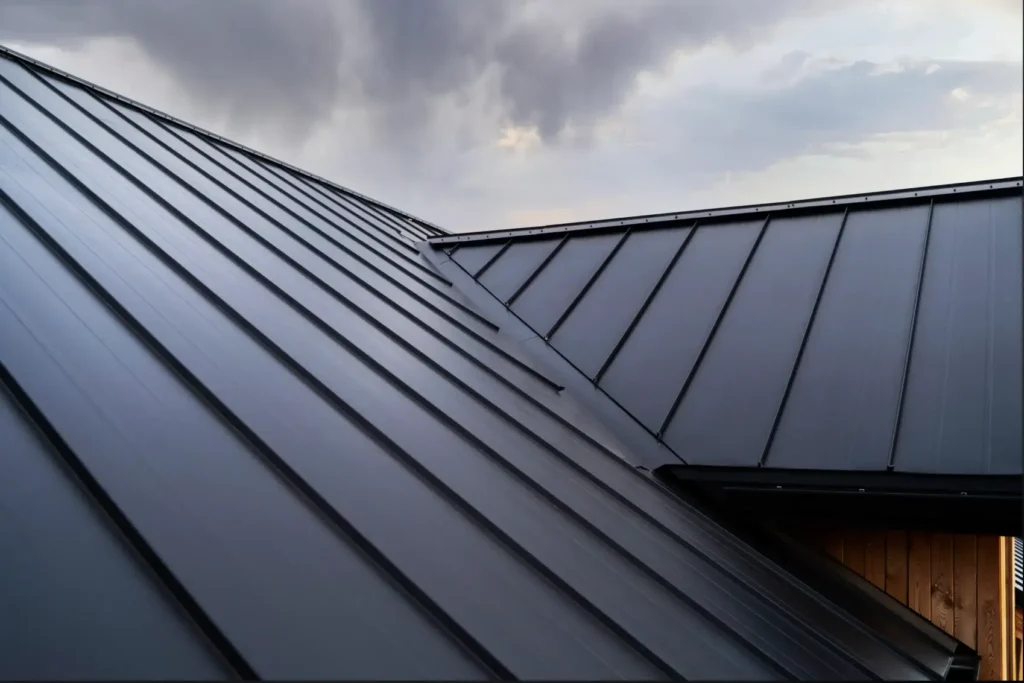
A skillion roof creates one dominant slope rather than two or more opposing roof planes. Skillion roof benefits can include straightforward drainage, distinctive architecture, and fewer roof intersections in suitable designs. These characteristics can make the roof style particularly relevant for modern homes facing Upper Midwest weather.
Modern Profile With Clean Architectural Lines
Traditional roof designs often use multiple slopes and peaks, which can create a more conventional appearance. A skillion roof design uses one prominent angled plane to create a cleaner, more contemporary architectural profile. Its simple geometry can complement modern homes and additions while giving the roofline a strong visual identity.
Homeowners updating multiple exterior elements can consider the roof while planning a cohesive exterior design across roofing, siding, windows, and other features.
Single Slope Designed Around Winter Snow
Heavy winter snow can add significant seasonal weight to roofs across the Twin Cities and Hudson. Skillion roofs and snow interact across one primary slope, allowing snow loads and movement to be considered across a straightforward roof plane. The defined slope also provides a clear direction for snowmelt as temperatures change throughout winter.
For an aging roofing system, these conditions can be evaluated while exploring a full roof replacement.
Predictable Drainage for Rain and Snowmelt
Rain and melting snow can create drainage problems when water encounters complicated valleys or poorly planned transitions. Skillion roof drainage directs runoff toward one lower edge, creating a predictable path for water leaving the roof. This defined direction can make it easier to coordinate gutters, downspouts, and discharge areas with the overall roofing system.
Because runoff becomes concentrated along one edge, the drainage system still needs appropriate capacity for heavy rain and seasonal snowmelt.
Fewer Roof Intersections and Complex Transitions
Roofs with multiple planes often contain valleys and intersections where flashing and water management become more complicated. A skillion roof can reduce these transitions by using one continuous primary roof plane where the home’s architecture allows it. Fewer intersections can mean fewer complex areas where roofing materials, flashing, and drainage details must work together.
Walls, chimneys, additions, and roof penetrations still require careful detailing because the simple roof form does not eliminate every transition.
A Straightforward Roof Form for Cold Climates
Freeze-thaw cycles can create problems where moisture collects, drainage slows, or vulnerable roofing details are repeatedly exposed to changing temperatures. Skillion roofs for cold climates offer simple geometry with clearly defined slopes, edges, and drainage paths. That straightforward configuration can support effective moisture management when paired with proper insulation, ventilation, flashing, and drainage.
Existing leaks or deterioration still require attention, and repairing existing roof damage can address current problems before broader roof changes are considered.
Key Planning Steps for Twin Cities and Hudson Homeowners
Changing a roof form involves more than selecting an architectural style that looks appealing from the street. Existing framing, roof condition, drainage, materials, local requirements, and exterior connections can influence what is practical. Reviewing these factors early gives homeowners a clearer understanding of the project’s potential scope.
These five planning steps address important questions before a skillion roof project moves toward construction.
Start With the Existing Roof Condition
Existing deterioration can make it difficult to separate current roofing problems from decisions about a future roof configuration. A professional assessment can identify visible damage, flashing concerns, moisture issues, and other conditions affecting the present system. Establishing that baseline matters because major design decisions should reflect the actual condition of the home.
Getting a professional roof inspection can clarify whether existing conditions call for repair, replacement, or additional project planning.
Evaluate How the New Slope Meets the Existing Home
A new single-slope roof can create challenging connections where it meets walls, additions, chimneys, or another roof section. Careful design addresses these transition points with suitable flashing and water management details before roofing materials are installed. These connections matter because even a simple roof plane can develop vulnerable areas where separate building components meet.
Homeowners planning an addition or substantial renovation should evaluate those connections as part of the complete exterior system.
Match Roofing Materials to the Project
Choosing materials based mainly on appearance can overlook slope requirements, weather exposure, and compatibility with the intended roofing system. Material selection should account for the roof configuration, local climate, manufacturer requirements, and the home’s broader design. This approach matters because the roofing material and underlying system must function together throughout changing Upper Midwest seasons.
Krech Exteriors works with established roofing manufacturers including GAF, CertainTeed, and Owens Corning. Homeowners can review residential roofing options for Upper Midwest homes when considering materials for a planned project.
Coordinate Gutters With Concentrated Runoff
A single roof plane can direct substantial rainwater and snowmelt toward one lower edge rather than dividing runoff among several slopes. Gutters and downspouts should account for the direction and expected concentration of water leaving that roof edge. Proper coordination matters because uncontrolled discharge can affect siding, walkways, landscaping, and areas near the foundation.
For homes in Hudson and the Twin Cities, drainage planning should begin with the roof design rather than being treated as a finishing detail.
Review the Whole Project Before Construction
Changing a roofline can affect architecture, drainage, structural conditions, materials, and connections with other exterior components. Reviewing the complete project before construction can identify conflicts that may otherwise become apparent after roofing work begins. This step matters because coordinated planning keeps individual design choices focused on long-term exterior performance.
Homeowners should confirm the roof configuration, drainage approach, materials, structural considerations, and relevant project requirements before construction begins.
Get Expert Roofing Guidance in the Twin Cities and Hudson
A skillion roof can provide a distinctive architectural profile, but successful performance depends on much more than its appearance. Krech Exteriors has served Twin Cities homeowners since 1988, with an emphasis on experienced craftsmanship, customer service, and high-quality roofing materials.
Homeowners considering a new roof design can request a free estimate to discuss existing conditions, project goals, and practical roofing considerations. Krech Exteriors also offers a lifetime labor warranty, adding long-term support to qualifying exterior projects.
Frequently Asked Questions
Are skillion roofs suitable for Minnesota winters?
Skillion roofs can be designed for cold climates, but slope, structural loads, drainage, insulation, and roof details require careful planning. Minnesota snow and freeze-thaw conditions make appropriate design and installation particularly important for dependable performance.
Do skillion roofs handle snow better than traditional roofs?
Performance depends on the specific slope, structure, materials, and overall building design. A sloped plane can influence snow movement, but homeowners should not assume snow will always slide from a skillion roof quickly or safely.
Where does rainwater go on a skillion roof?
Water generally travels toward the lower edge of the single roof plane. Because runoff becomes concentrated there, gutter capacity, downspout placement, grading, and discharge locations should be coordinated with the complete drainage system.
Can an existing house be converted to a skillion roof?
Potentially, but feasibility depends on the home’s structure, existing roof configuration, local requirements, and project scope. A project-specific evaluation can identify structural, drainage, material, and exterior design considerations before major roof changes begin.